Remi Debuts Its Impact Thesis at BII's Innovation for Impact 2026
Remi pitched to British International Investment at Innovation for Impact 2026 in Nairobi and debuted our impact thesis, plus the four numbers we'll report from day one.
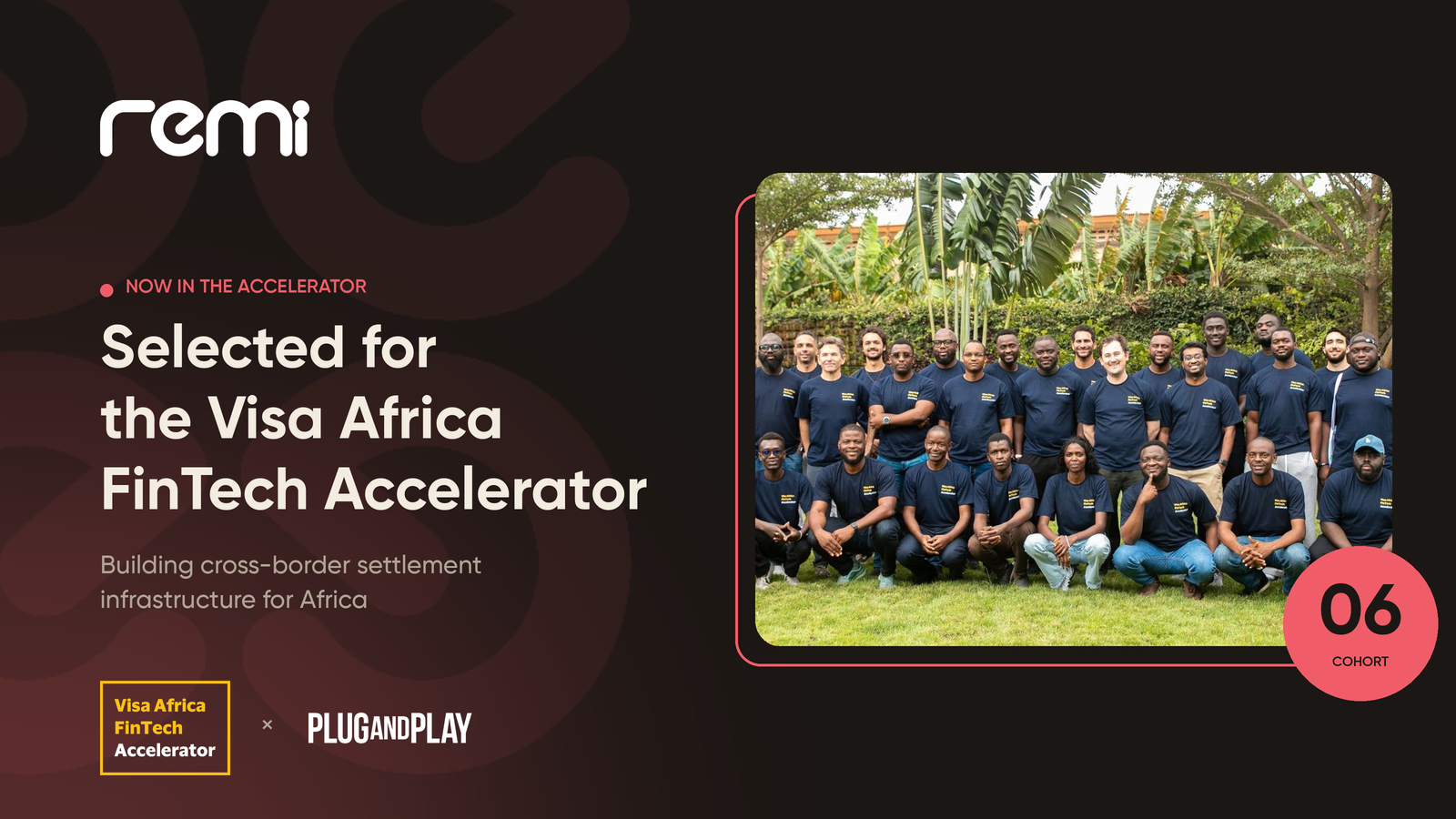
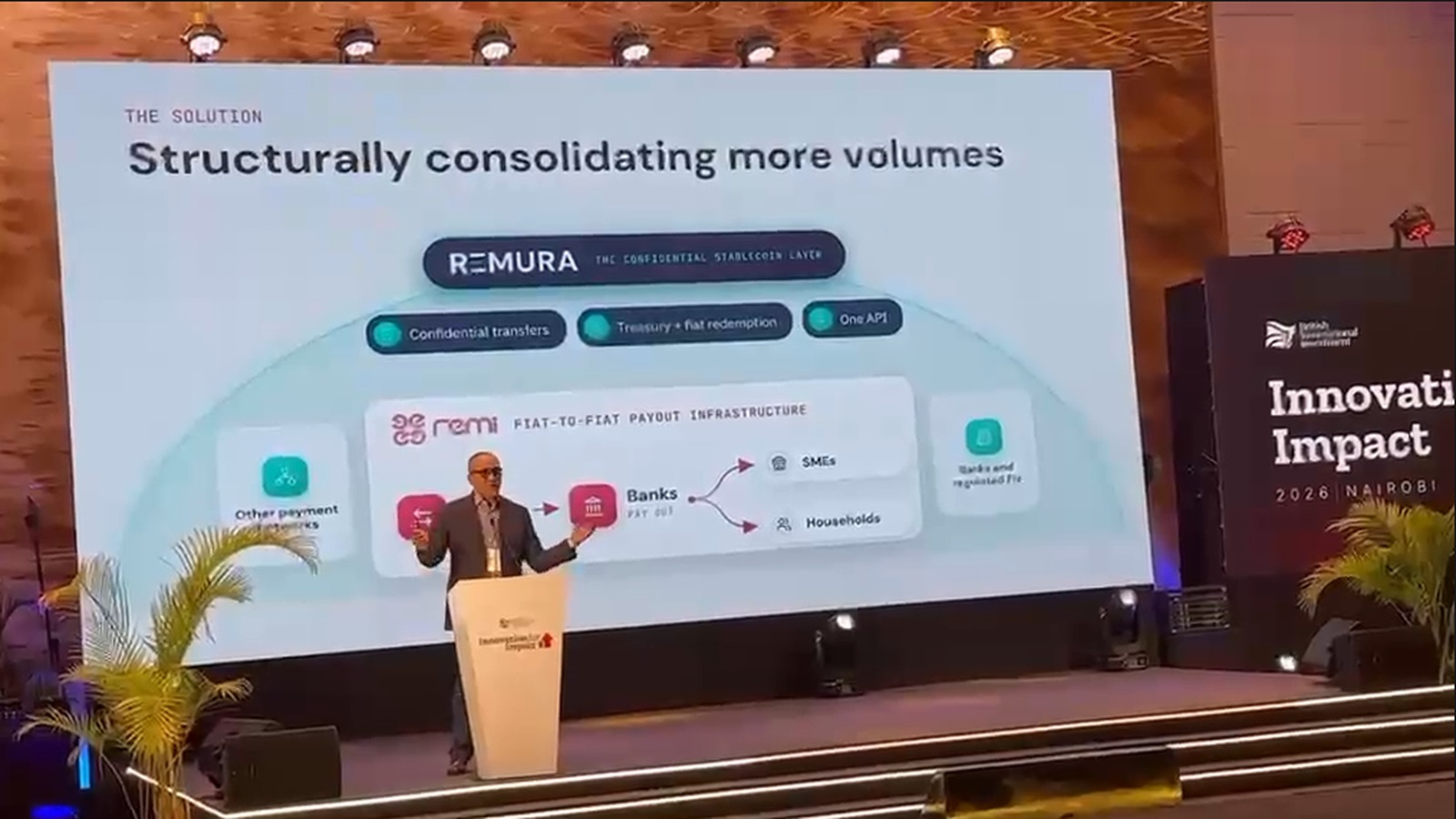
On 3 and 4 November, Remi was in Nairobi to pitch at Innovation for Impact 2026, British International Investment's venture summit. We were picked for the stage from Cohort 6 of the Visa Africa FinTech Accelerator, run by Visa with Plug and Play. We took the stage in front of BII and the investors in the room, and we used it to debut something we've been building as seriously as the business itself: our impact thesis.
Why this stage matters
British International Investment is the UK's development finance institution and impact investor. Formerly CDC Group, it invests across Africa, Asia and the Caribbean, backing businesses that create jobs and build stronger, more inclusive economies.
Innovation for Impact, now in its fourth year, is BII's summit for the venture world in Africa and South Asia. It brings together leading venture investors, founders, development finance institutions and global allocators in one room. This year one of its core themes was financial inclusion and the future of financial infrastructure, which is exactly what we build.
So this wasn't just another pitch. In most rooms, impact is a slide near the end. At I4I it's the first question: who does this help, and how will you prove it? For a young startup, getting picked from the accelerator to answer that question in front of BII is an opportunity that doesn't come around often, and we're grateful we got it.
Our co-founder and CTO Mohamed Abdou took the stage with our answer.
Money movement is still slow, costly and scarce
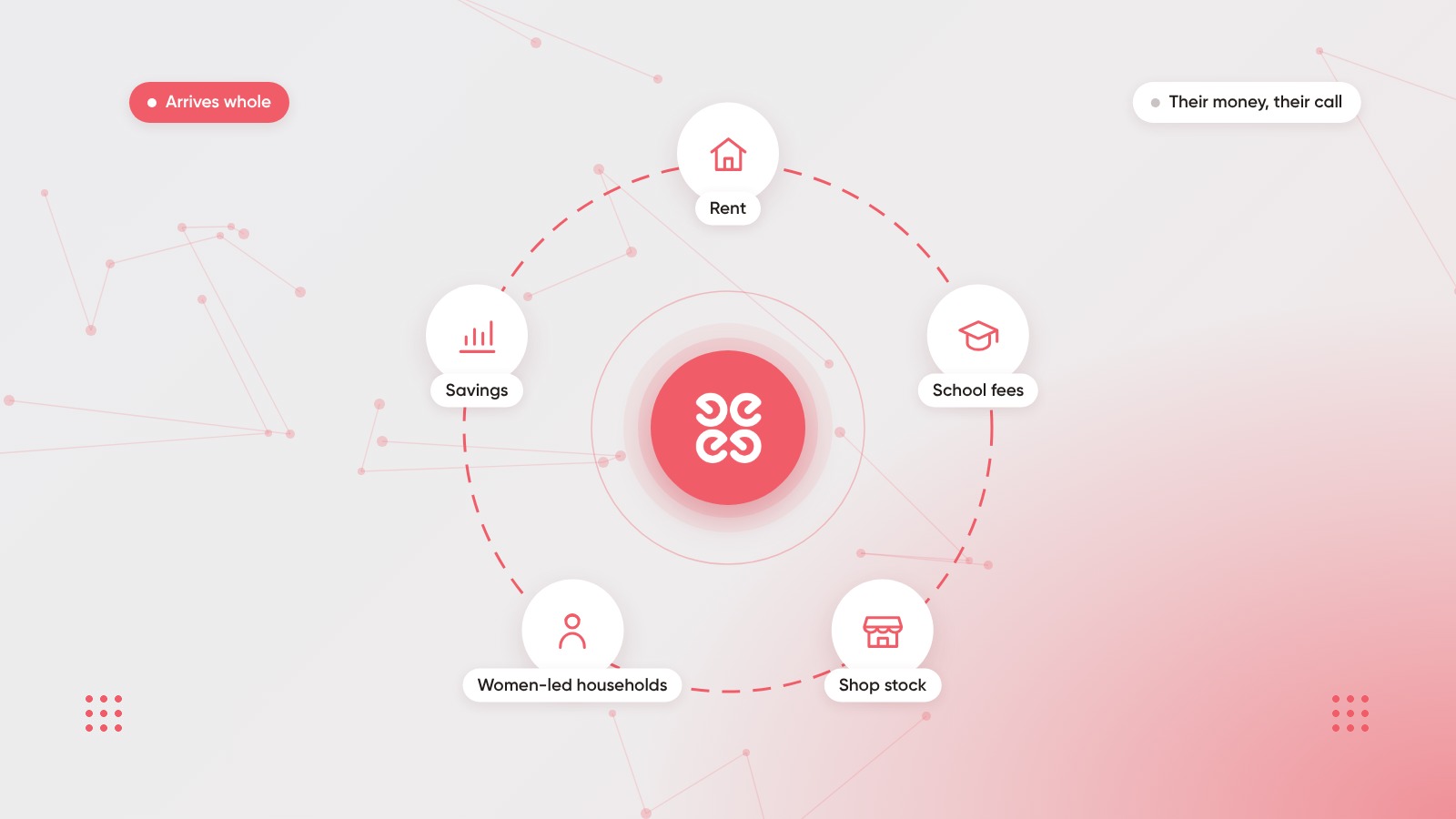
In Egypt, money sent home from abroad is worth around 10% of GDP. That's rent, school fees, medicine and stock for a small shop.
The rails it moves on weren't built for the people at the end of the line.
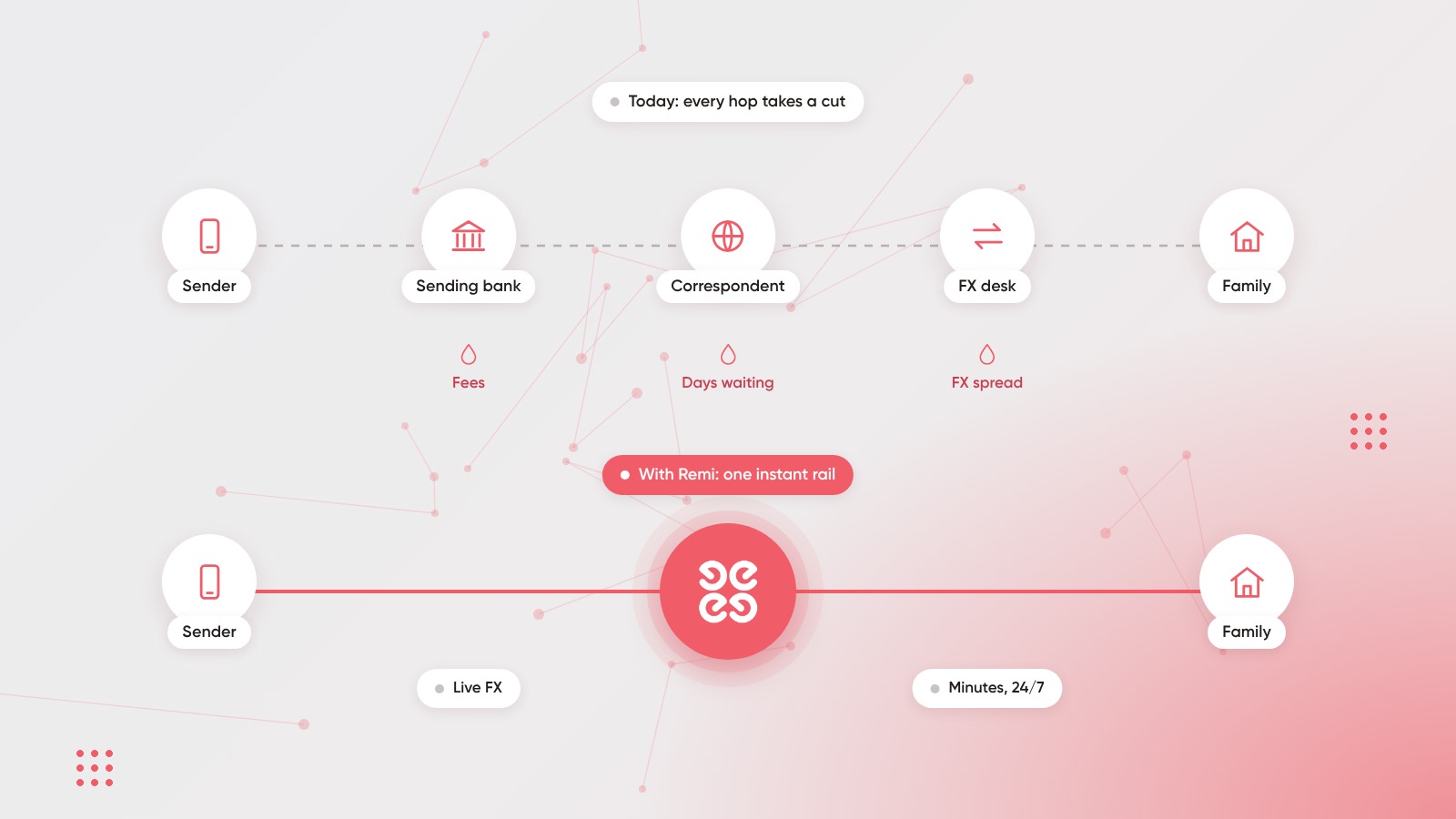
It's slow
A typical bank payout takes around two days. Batch processing and banking hours mean money sits in transit, and on weekends it just waits.
It's expensive
The global average cost of sending $200 is 6.49%, according to the World Bank. Part of that's the fee you see. Part of it's hidden in the exchange rate.
The rate moves while you wait
In early 2024 the dollar traded at 2.3 times the official rate on Egypt's parallel market. When the rate swings like that, a slow payment is a costly one.
The thesis we debuted
Give SMEs and women recipient households agency over their funds.
They carry the most cost and have the least buffer. A late payment means a missed rent date or an empty shelf. A bad rate means less on the table. When money arrives whole, fast and on their terms, they get to decide what it does.
We see the same pattern in the other emerging markets we're building for, across Africa, Latin America and South Asia.
What we're building to deliver it
Remi gives banks, licensed money transfer operators and fintechs one instant, compliant rail:
One network: banks, transfer operators and payout partners on a single integration
Instant settlement, 24/7: a send-to-payout target of under one minute
Live FX: transparent rates, with a target all-in fee of 0.5%
On a $200 transfer, the difference between the 6.49% global average and a 0.5% fee is about $12. That's $12 more landing with a family or a small business on every transfer. And it arrives in minutes instead of days.
Built to be measured
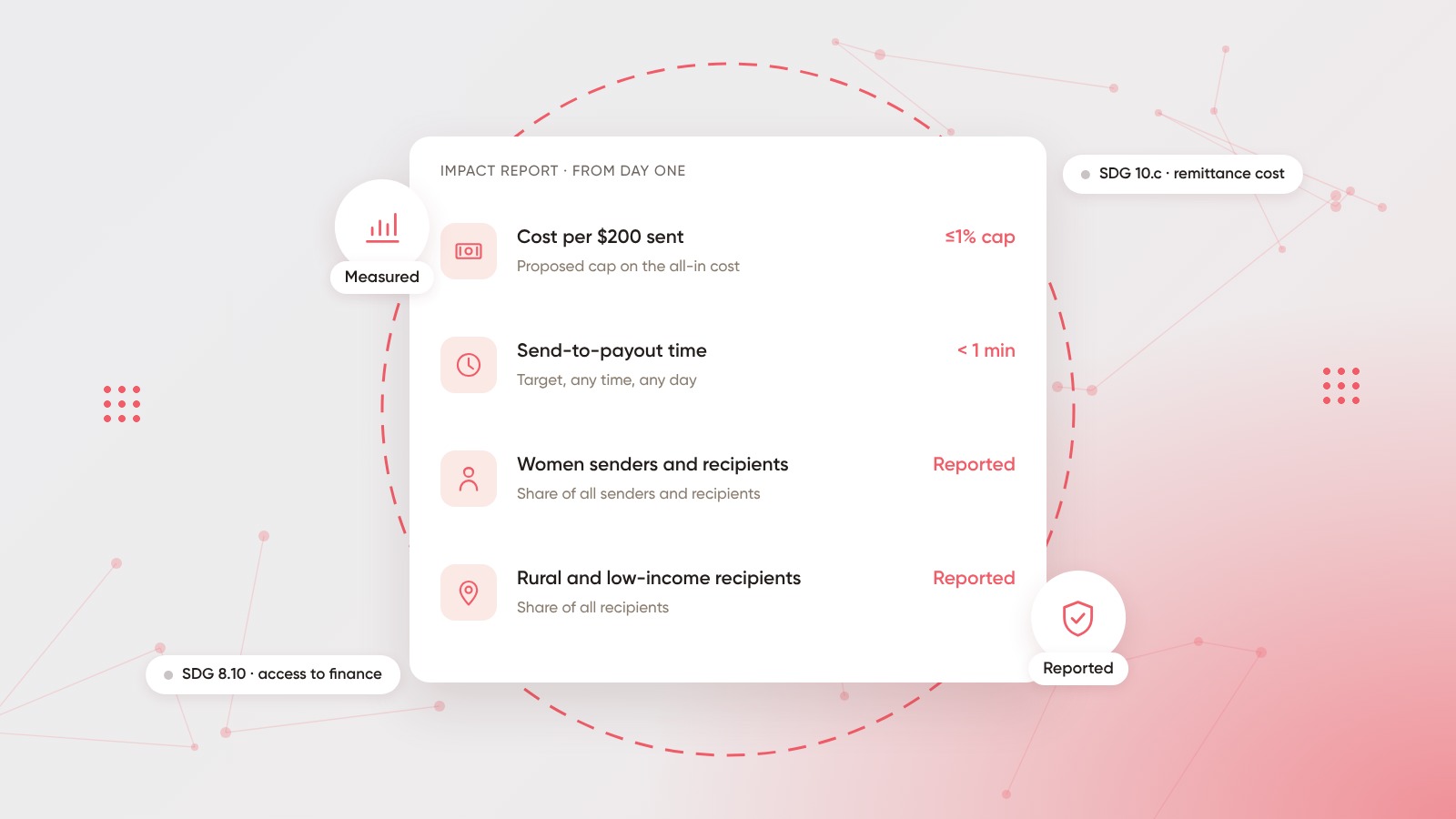
An impact thesis is only worth something if you can check it. So we told BII exactly what we'll report from day one:
Cost: a proposed cap of 1% or less per $200 sent
Speed: send-to-payout under one minute, 24/7
Women: the share of women among our senders and recipients
Reach: the share of rural and low-income recipients
These line up with two UN Sustainable Development Goals: SDG 10.c, which targets remittance costs below 3%, and SDG 8.10, which is about access to financial services. Put simply, the goal is more disposable income and more resilience for the businesses and households we serve.
"We're building our impact thesis as seriously as our investment thesis, because for us they're the same story. Fix the rails, and more of every dollar reaches the people it's meant for."
Tony Amer, Co-founder and CEO, Remi
Where we go from here
Thank you to BII and the whole Innovation for Impact team for the room and the push to measure what matters, and to Visa and Plug and Play for putting us forward from the accelerator.
As Remi goes live and more products leave our pipeline, we'll share these numbers as they come in. If you're an institution working on financial inclusion in these markets, we'd love to talk.
Fast money is good. Fast money that arrives whole is better.